- By Nick Patel
- 07 Nov, 2026
- Industry
China’s New Micro-Drama Crackdown Targets AI. Here’s How the Vertical 52 Measures Up
By Nirav Patel, Founder, Vertical Charts
China’s broadcast regulator has opened another front in its long fight with micro-dramas, and this time AI is the main target. On November 6, the National Radio and Television Administration (NRTA) announced a two-month campaign against what it calls “vulgar and homogeneous” short dramas. It runs from November 1 through the end of December. The notice applies to China’s domestic market, not to the English-language apps most of our readers use. Still, the list of what it targets reads almost like a description of a typical week on our Vertical 52, which makes it worth a close look.
What the NRTA actually announced
The notice, also carried by Xinhua, says the campaign responds to the uneven quality of AI-made micro-dramas and to AI “fueling a rebound” in vulgar content. It splits the targets into two groups.
On the content side, it names harmful child-themed material, soft-porn “edge-riding,” extreme antagonism between characters, money worship, and stories that seriously violate family ethics. It also covers special-subject dramas that skipped the required filing and review, and what Chinese regulators call “face stealing” and “voice stealing,” meaning AI use of a real person’s likeness or voice without permission.
On the distribution side, it goes after vulgar titles, promo clips, and bullet comments. It also targets two practices that have nothing to do with what’s on screen. One is re-releasing the same series under a new title, or with the lead characters renamed, so it can be pushed again as if it were new. The other is “homogeneous” recommendations on home screens and key charts, and the regulator says it wants algorithms to serve up more variety.
The NRTA says earlier campaigns this year have already pulled 75,000 non-compliant micro-dramas and dealt with more than 1,500 accounts. The new notice doesn’t name any platforms or set new penalties.
Why now: the AI flood
The timing makes sense once you look at volume. NRTA head Cao Shumin told an industry conference this week that nearly 550,000 short dramas were released in China in the first 10 months of 2026, almost 17 times the 2025 figure, according to Caixin. Most of that growth comes from AI cutting production cost and time.
A day before the campaign was announced, an NRTA official put the policy in one line at the same conference, as Xinhua reported: support live-action dramas, regulate AI dramas. The official said live-action shows would get “real support” in funding, algorithms, and awards, and that platforms must review everything they air, with humans reviewing all of it. They also told platforms to fix algorithm designs that encourage compulsive viewing, and promised tougher action on AI script-washing, pirated remakes, and unauthorized use of faces and voices.
Holding our chart up against the list
Neither ReelShort nor DramaBox is the subject of this notice. Their big markets are overseas, and the US is the largest. But both have deep roots in China’s online fiction business. ReelShort is run by Crazy Maple Studio, and Shenzhen-listed COL Group holds 49.24% of it, according to Vertical Observer’s comparison of the two apps. DramaBox is owned by Singapore’s StoryMatrix, as Deadline describes it. Formats, scripts, and production habits move freely between the two markets, so it’s fair to ask how the export version compares. Here’s what the November 5 Vertical 52 shows when you set it against the NRTA’s categories. This is our own reading, not an official one.
Money worship. Ten of the 52 titles carry a Billionaire tag on their platform pages, and three more are tagged CEO. Think Again! I’m the Hidden Boss Mom (#5) and Step Aside, I’m the King of Capital (#39) both run on the reveal that the underdog is secretly rich. We covered how dominant this archetype is in our trope breakdown.
Extreme antagonism. Seven titles are tagged Revenge and three more Counterattack. The revenge arc, where a wronged heroine humiliates the people who wronged her, is the engine of titles like Five Years of Hate, a Lifetime of Regret (#4). That is close to what Chinese regulators mean by “extreme antagonism.”
Edge-riding content. We flag 10 of this week’s 52 titles as mature based on their platform descriptions, including our #1, Love Is A Dangerous Game, a partner-swapping thriller. In the US these adult-oriented shows sit on mainstream app storefronts. Under China’s rules, a good share of them would struggle to get past review.
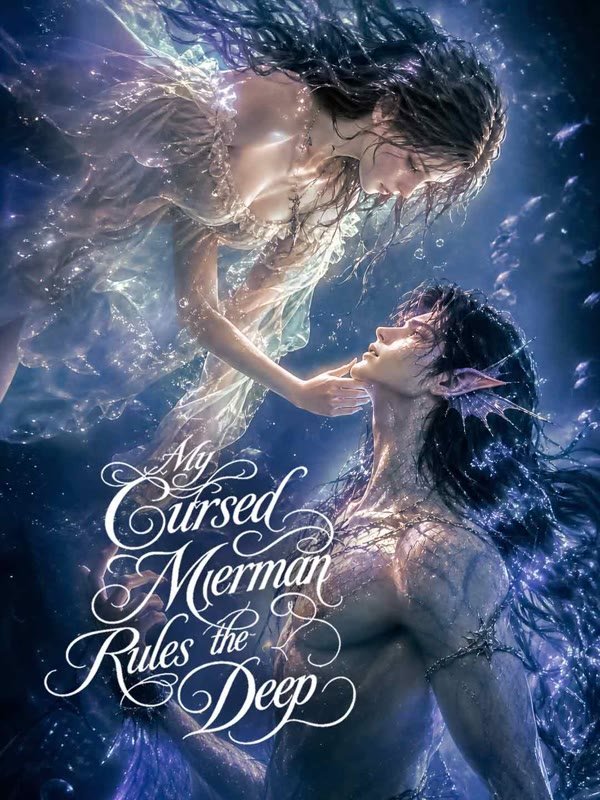
AI production. This is where the export market is heading the opposite way. My Cursed Merman Husband Rules the Deep (#48) carries ReelShort’s own AI label this week, and The Great and Powerful Genie (#19), an AI series, sits in the top 20. As we reported in our AI vs. live-action analysis, industry counts put AI at about two-thirds of vertical dramas released outside China last quarter. Beijing is trying to slow that shift at home while it speeds up abroad.
Homogeneous chart placement. This one hits closest to home for us. Part of every VertiScore is a placement component, which measures how prominently each app features a show on its home banners and curated rails. The NRTA’s complaint is that platforms push the same few shows everywhere. Our data backs up the pattern. Love Is A Dangerous Game holds the #1 banner slot on both DramaBox web storefronts we track. That’s why placement is only one of four inputs to the score, and why our save-rate data carries as much weight as where an app chooses to put a show.
Re-titled re-runs. We can’t measure this one directly, but our method guards against it. Every title on our chart is tracked by the platform’s own show ID, not by its name. A renamed re-upload would show up as a brand-new show with no history, so it would have to earn its way onto the chart from zero. Dubbed versions get their own platform IDs too, which is why Ruling Over All I See (DUBBED) at #18 has its own entry.
What it could mean outside China
Here we’re speculating, so take it as analysis rather than reporting. A tighter domestic market tends to push supply outward. If AI-made titles become harder to get approved and promoted in China, studios that built cheap AI pipelines have every reason to point them at overseas apps, where the rules are looser and viewers pay in dollars. That would add to the AI share we’re already seeing.
The other side is that regulators elsewhere are watching. The NRTA’s specific targets, AI likeness theft, renamed re-releases, and recommendation systems built to encourage binge spending aren’t problems unique to China. Apps that sort these out on their own, by labeling AI clearly, banning disguised re-uploads, and varying what their home screens push, will be in a better spot if those complaints turn into rules.
For viewers, the practical takeaway is simple: check the labels. ReelShort marks AI titles on its show pages, while DramaBox doesn’t publish an AI label at all. We’ll keep tracking how the AI share and the mature share of the Vertical 52 move through the end of the campaign in December.


Leave a Comment